

PRODUCTS
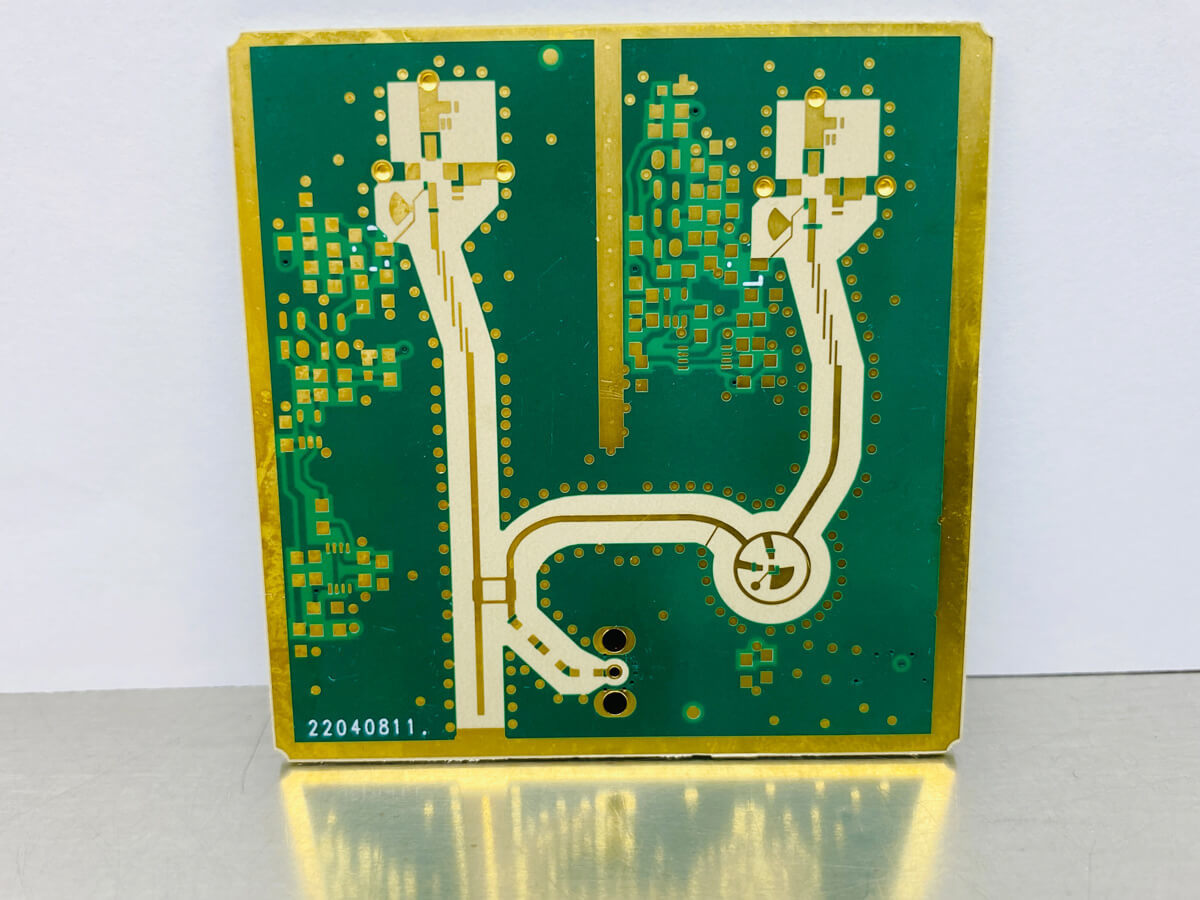
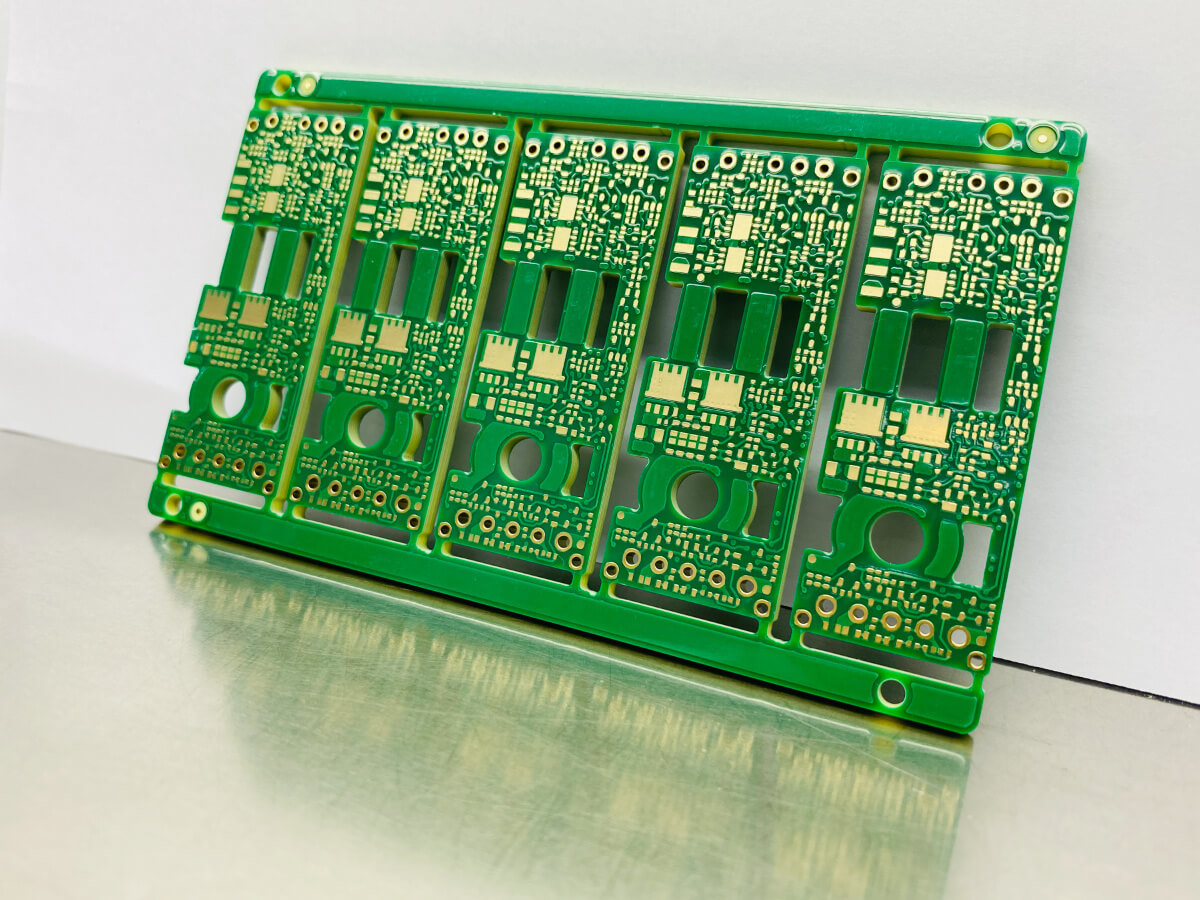
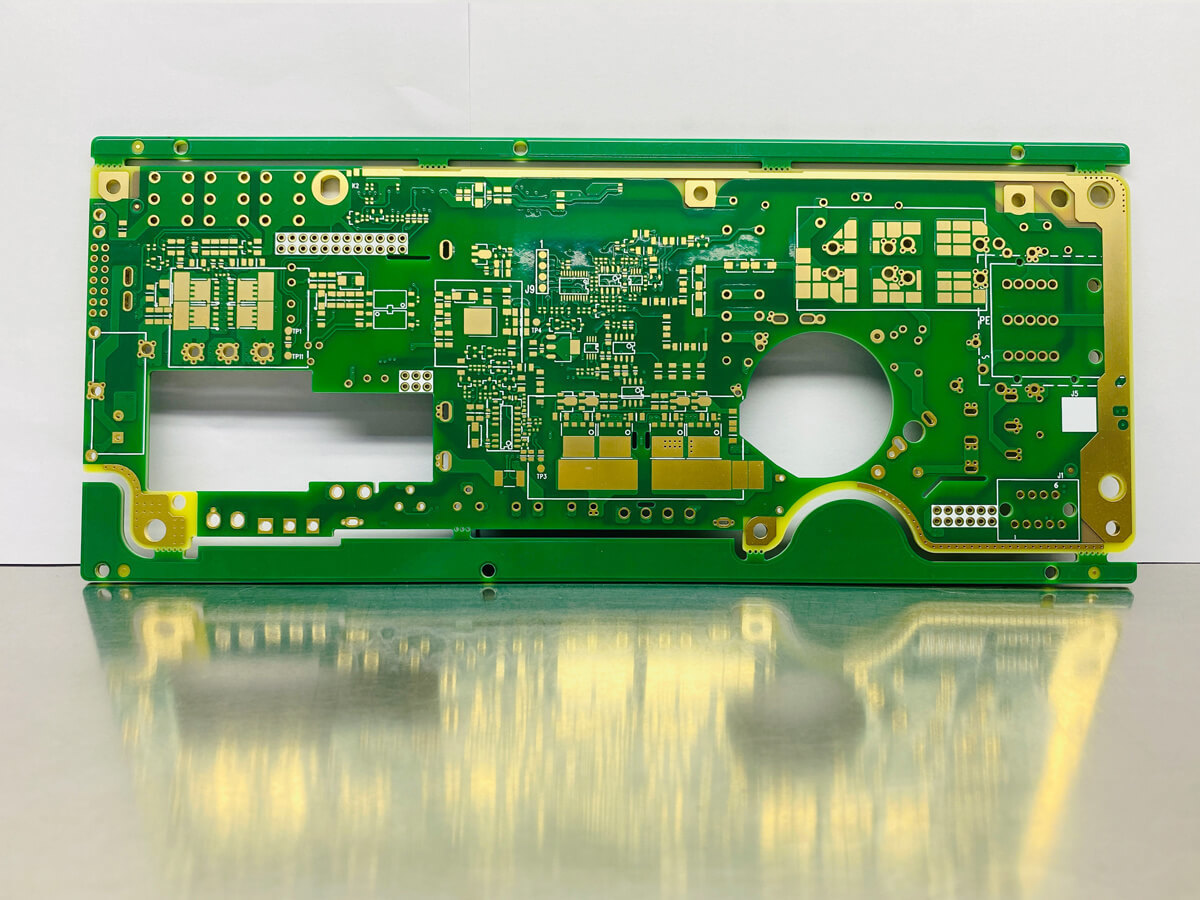
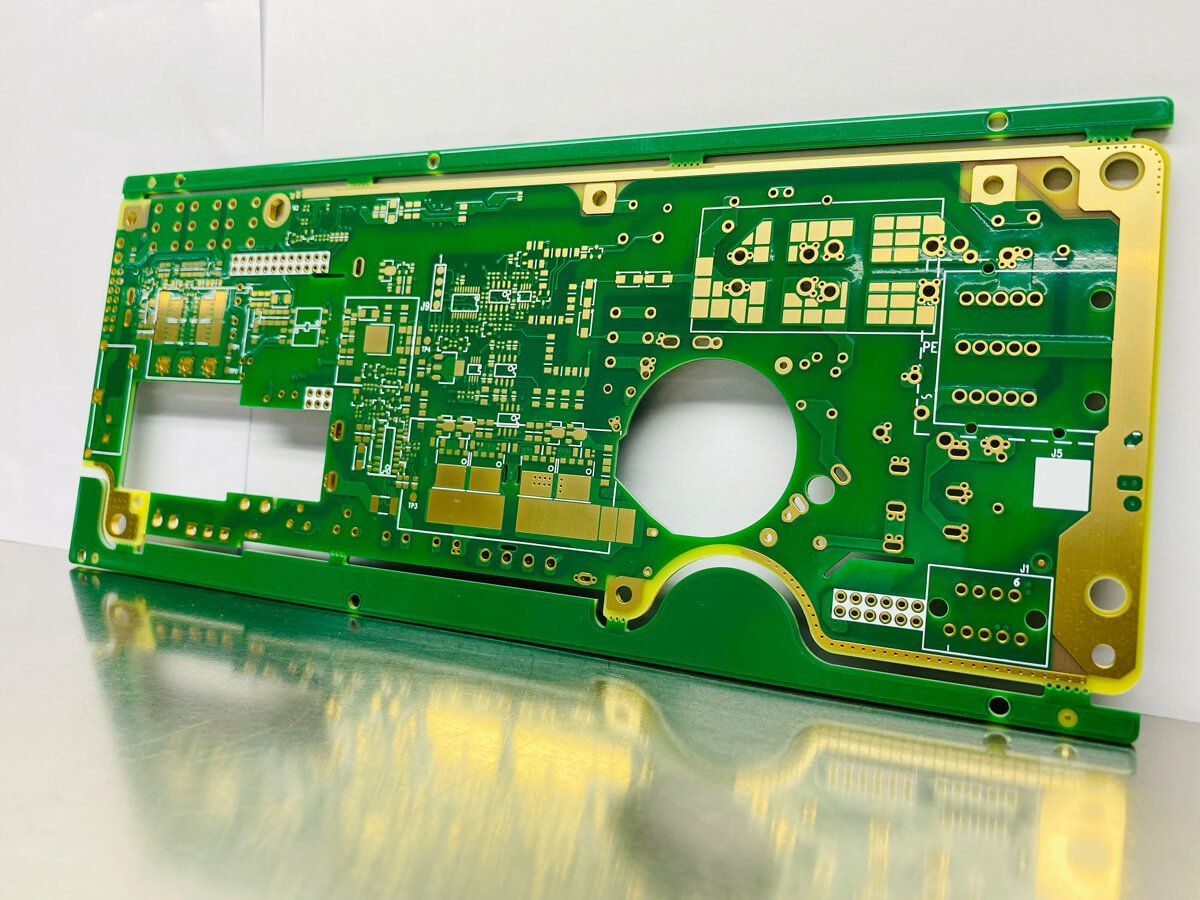
Product Display
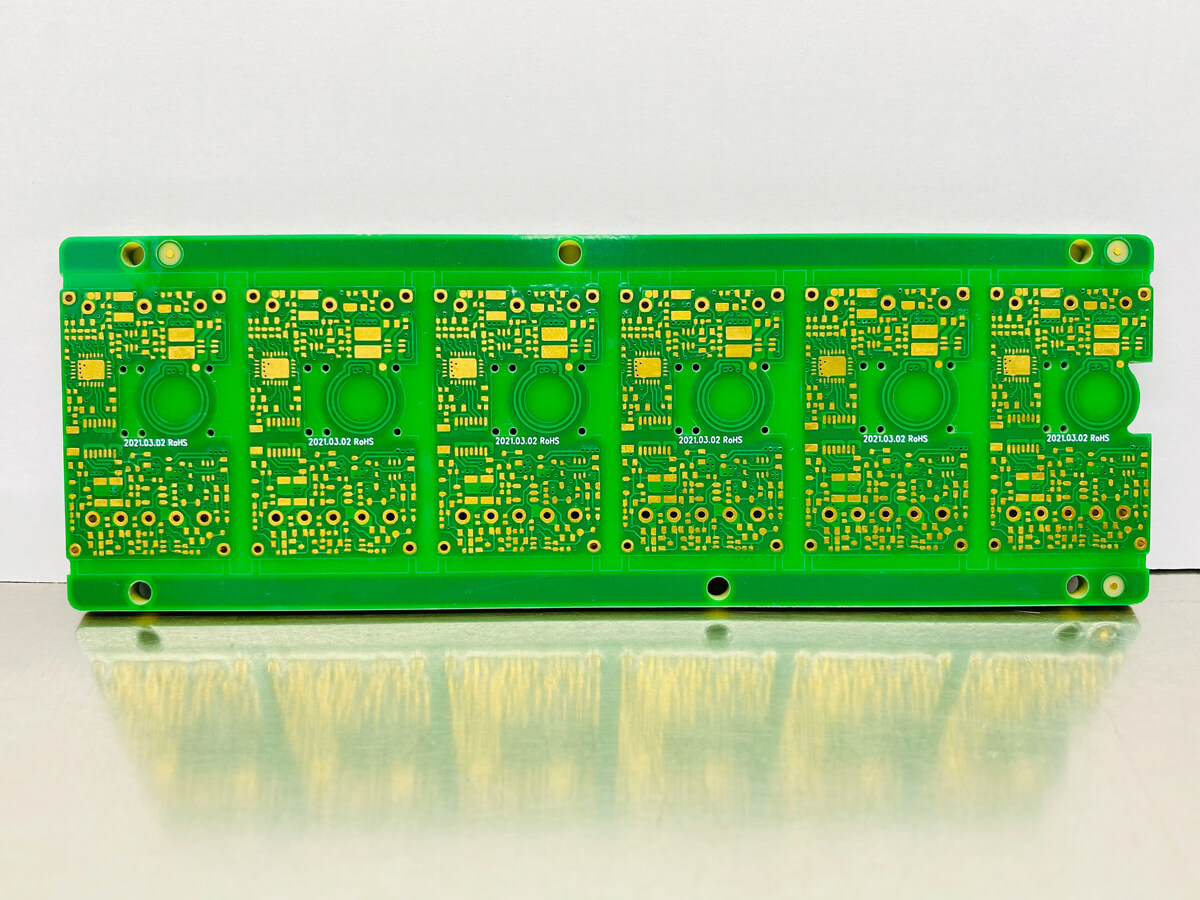
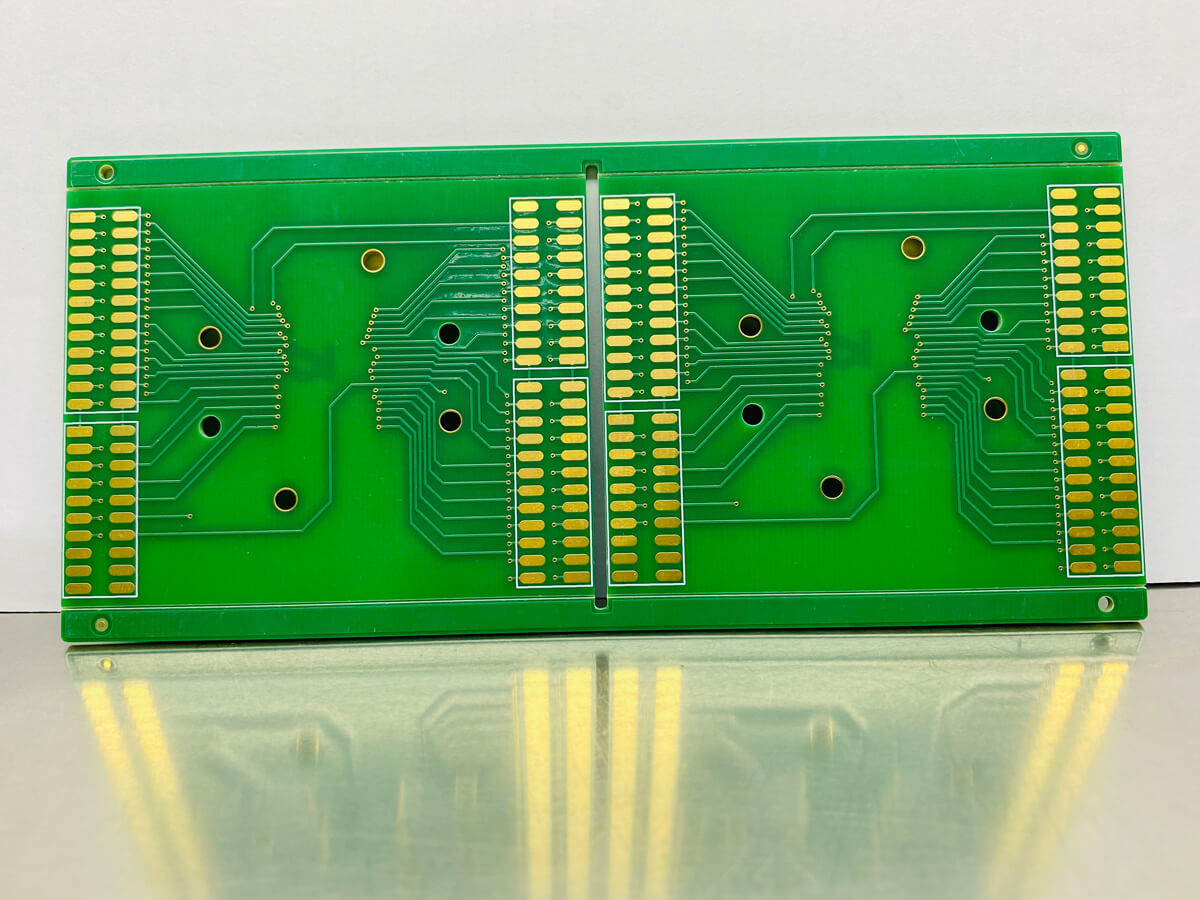
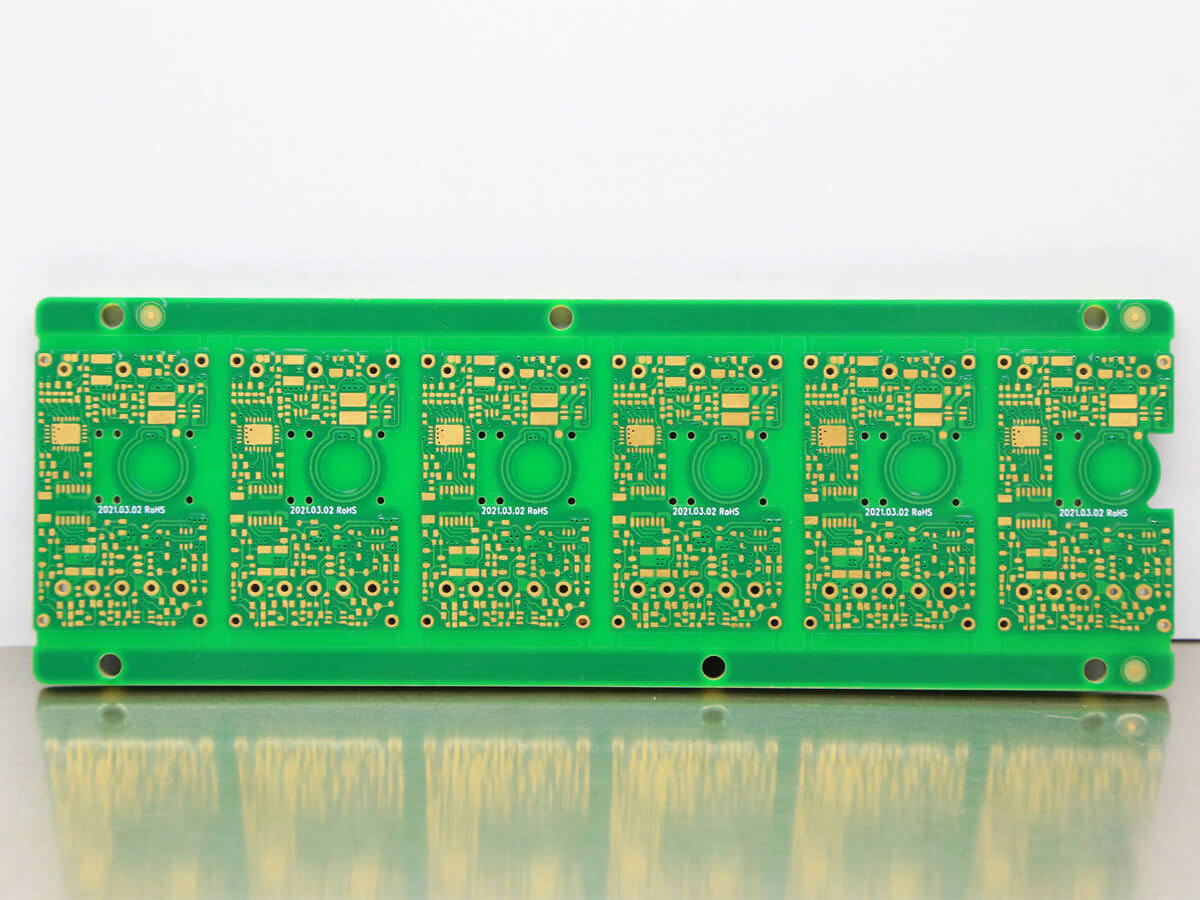
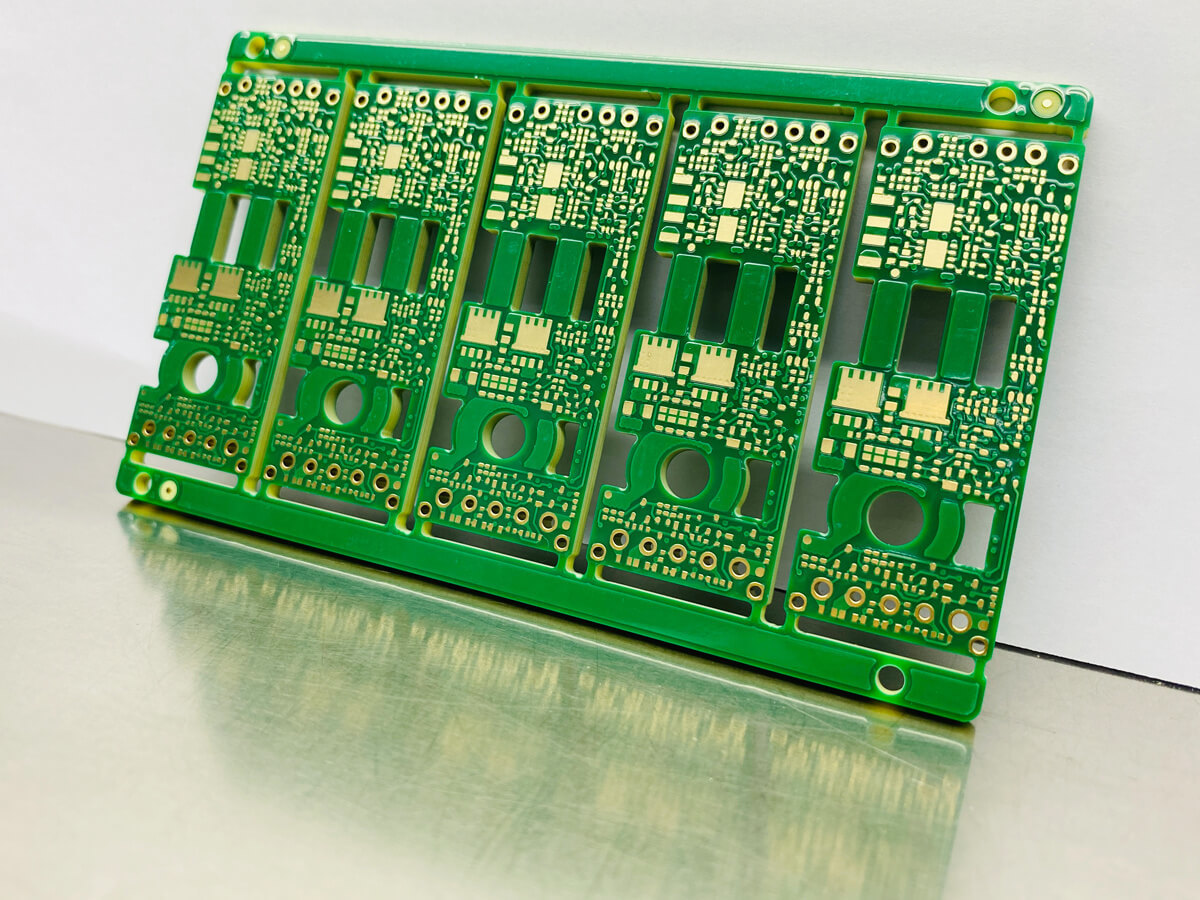
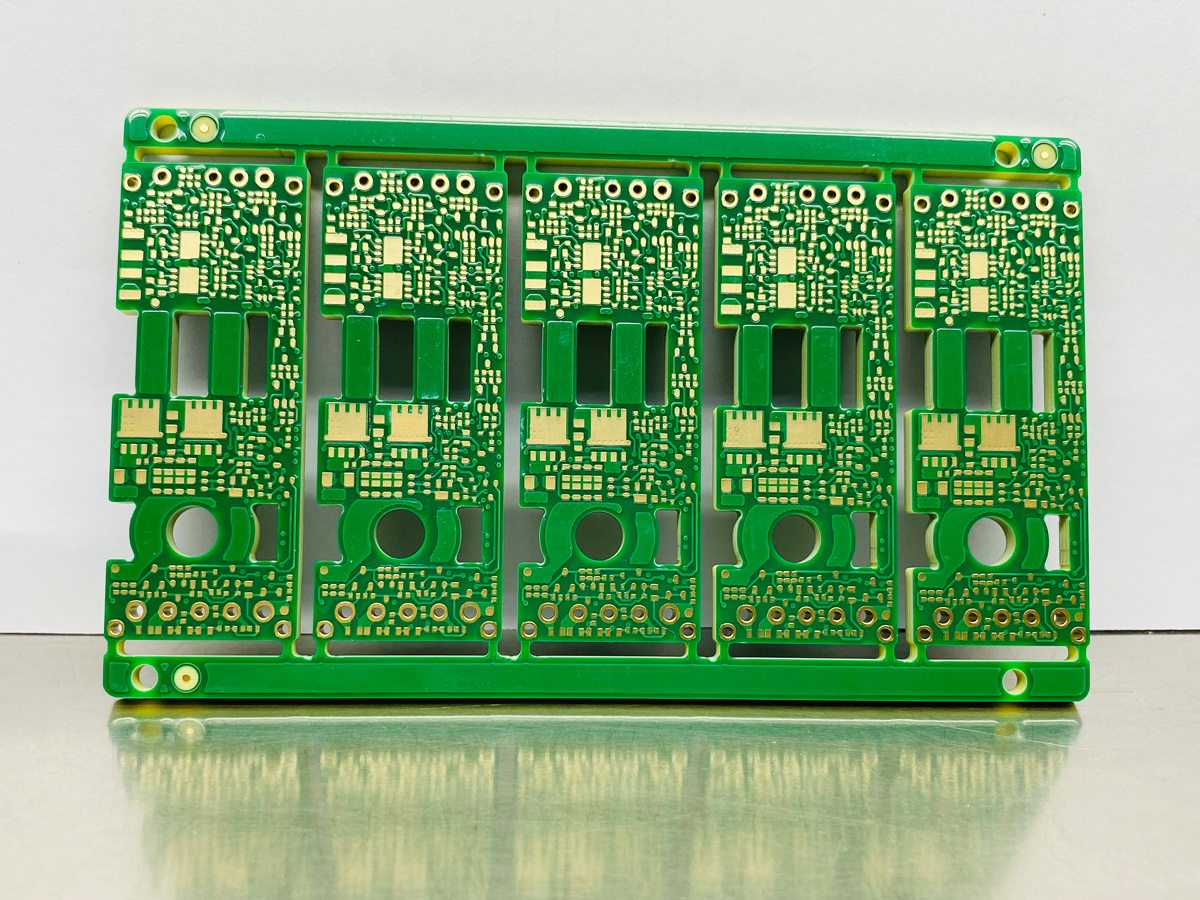
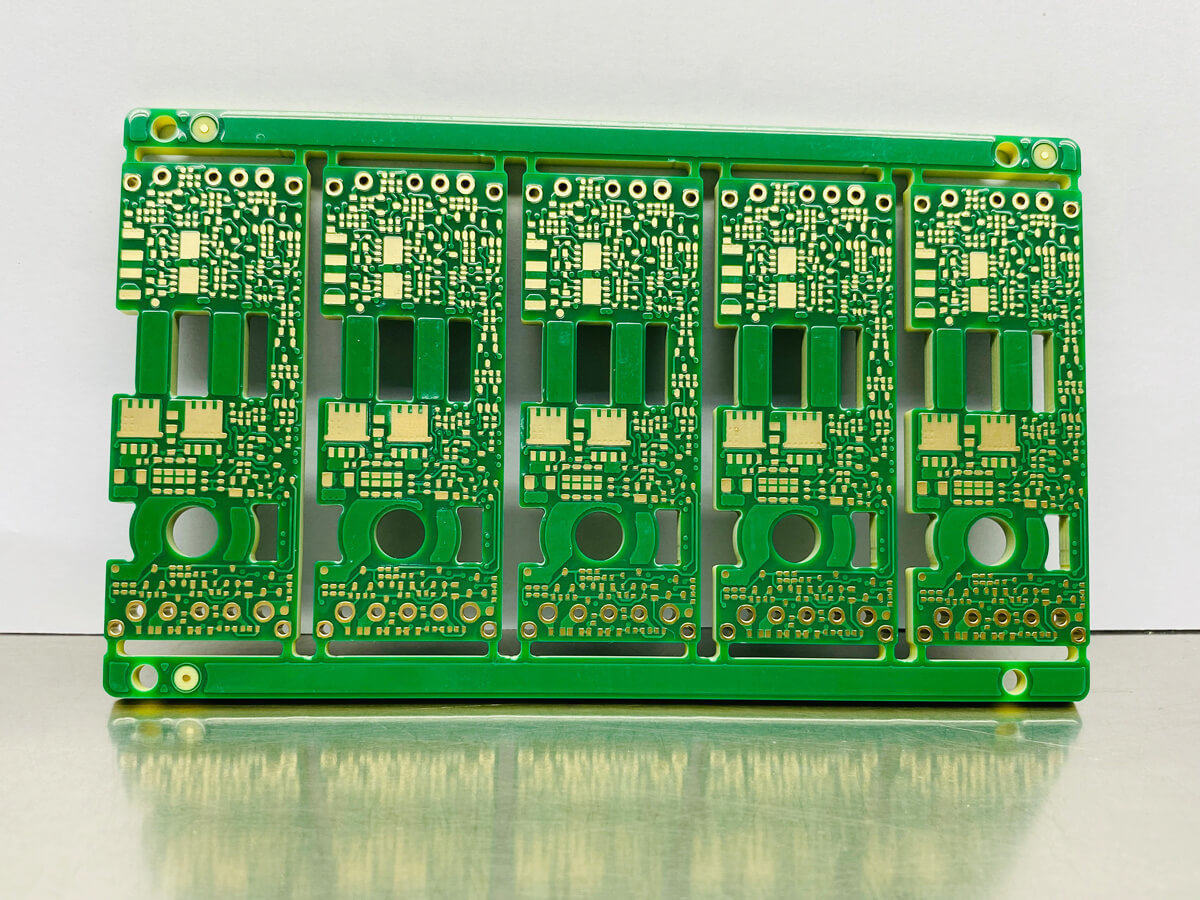
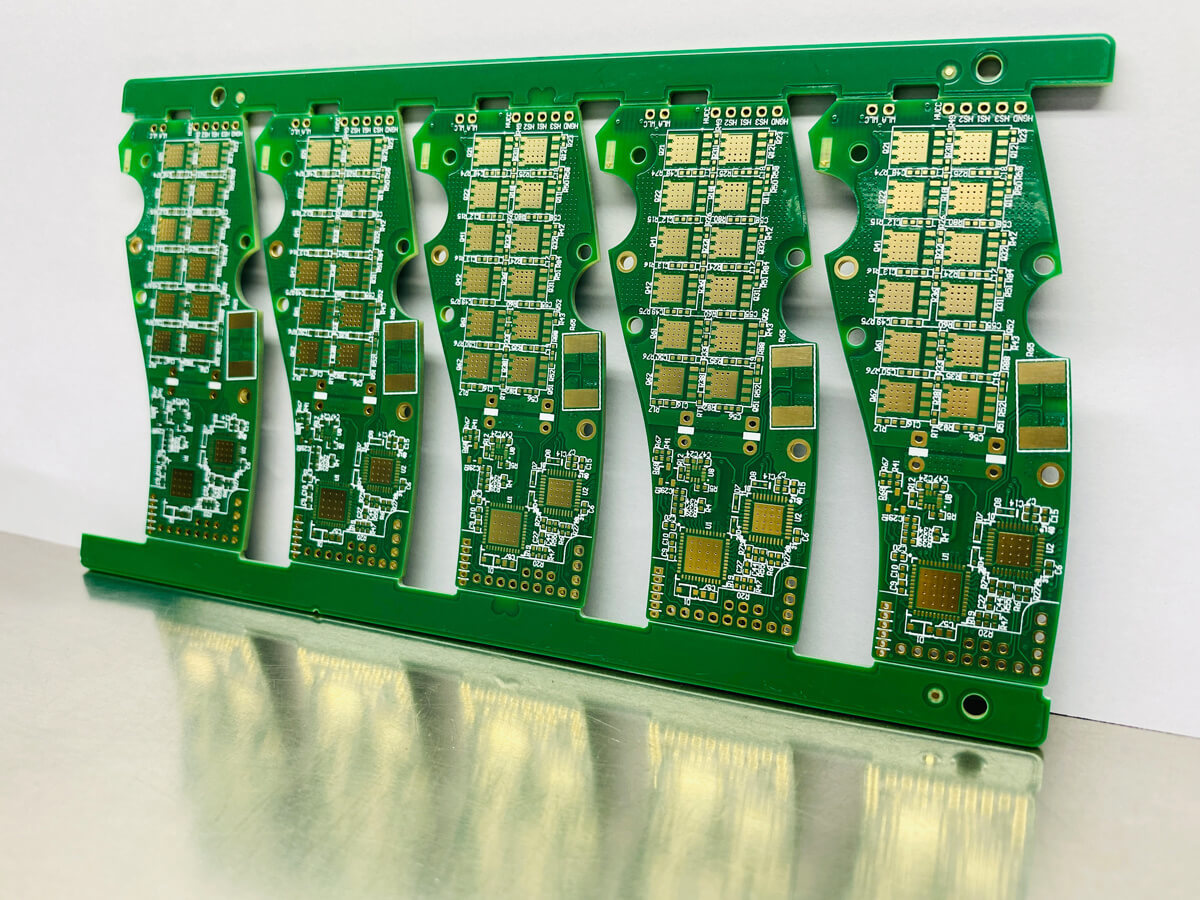
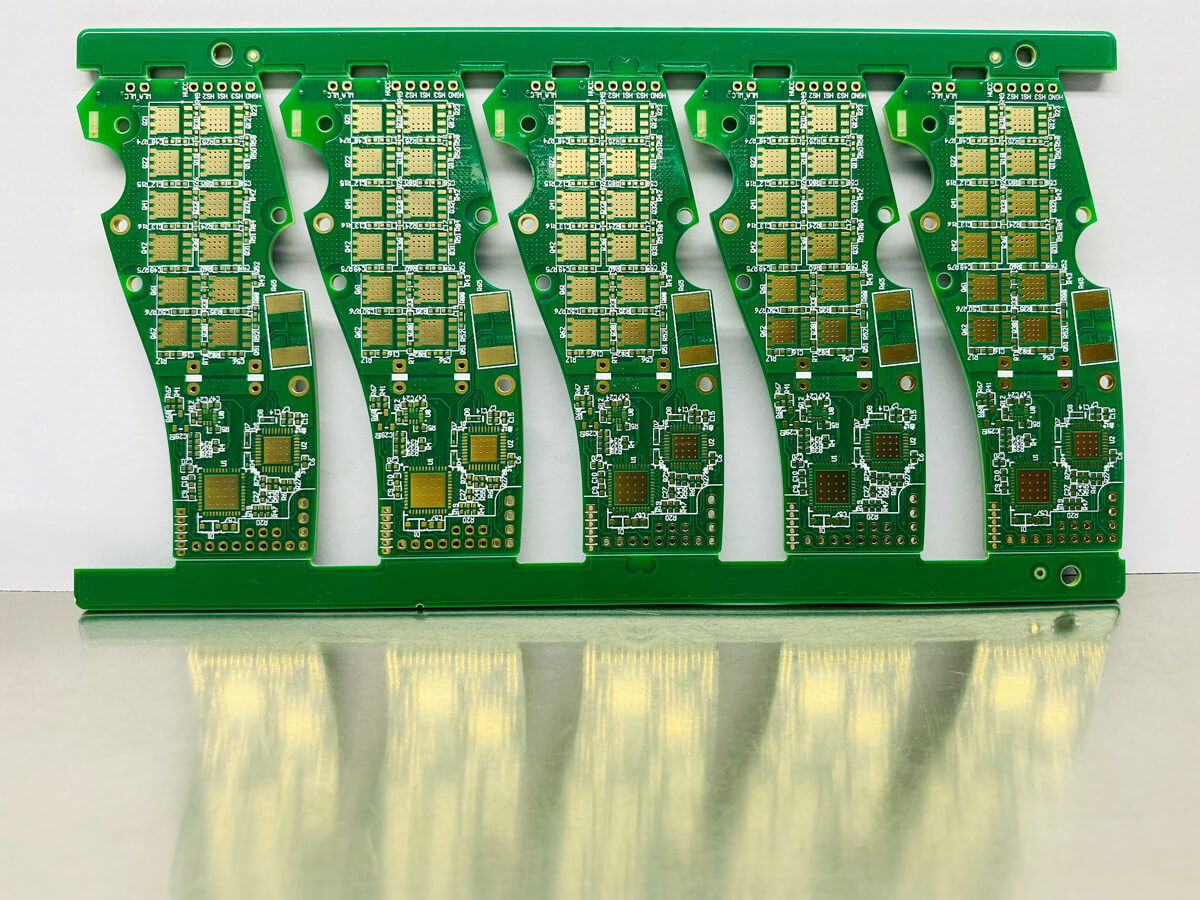
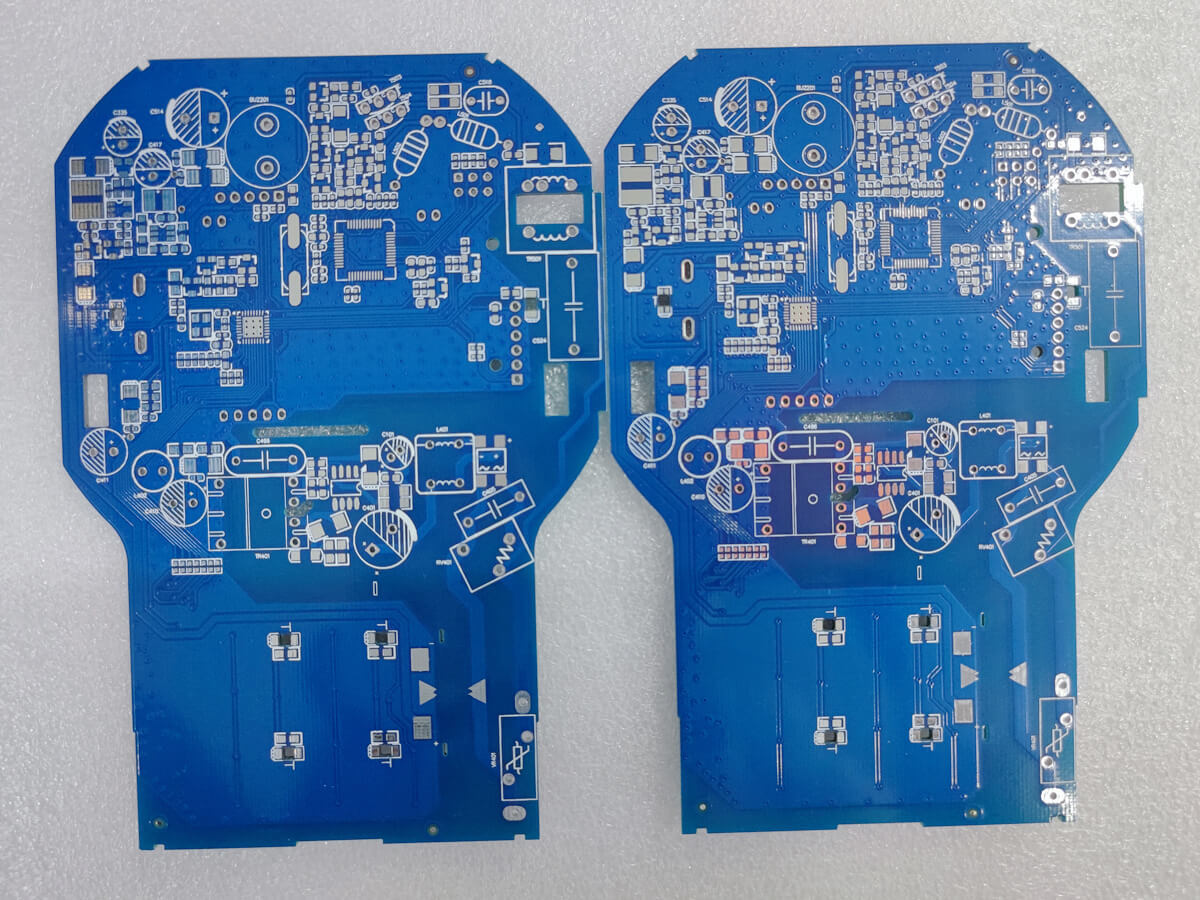
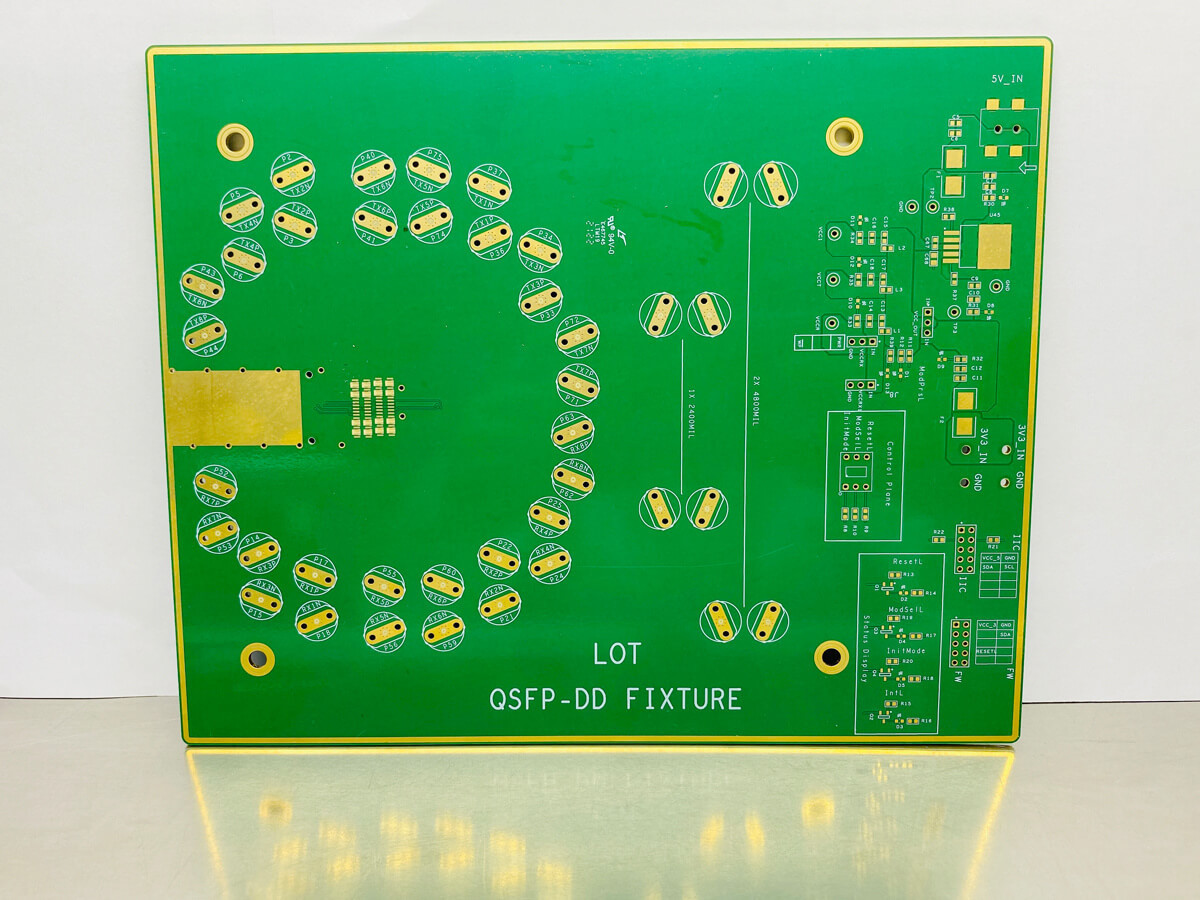
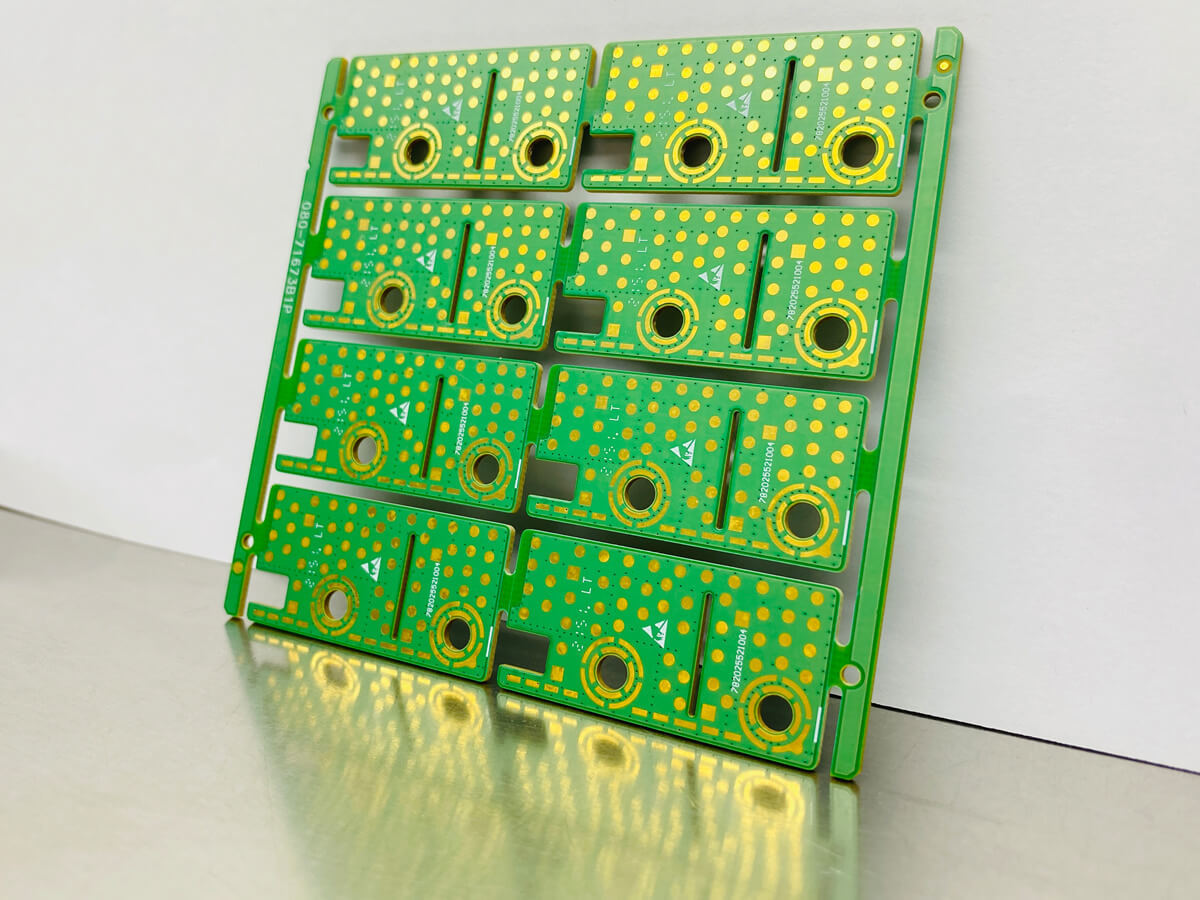
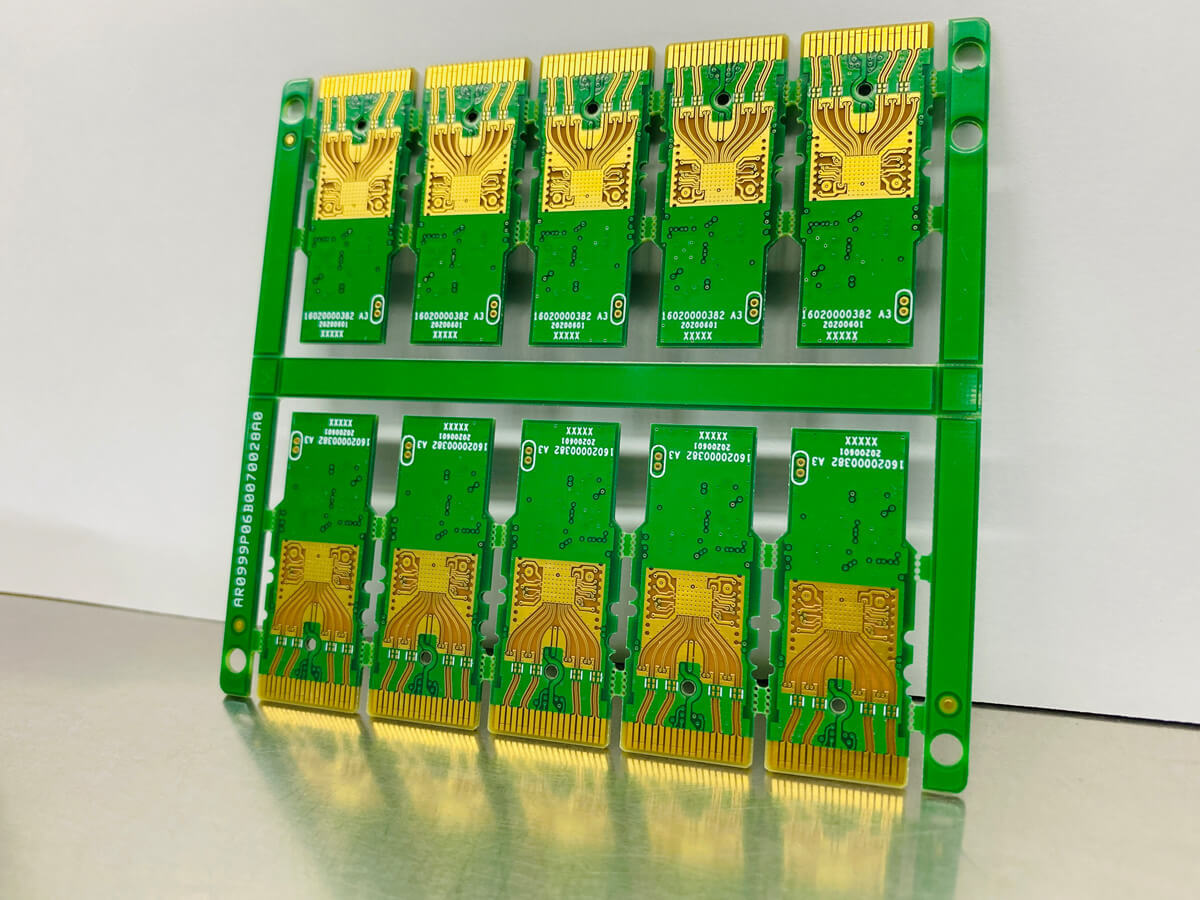
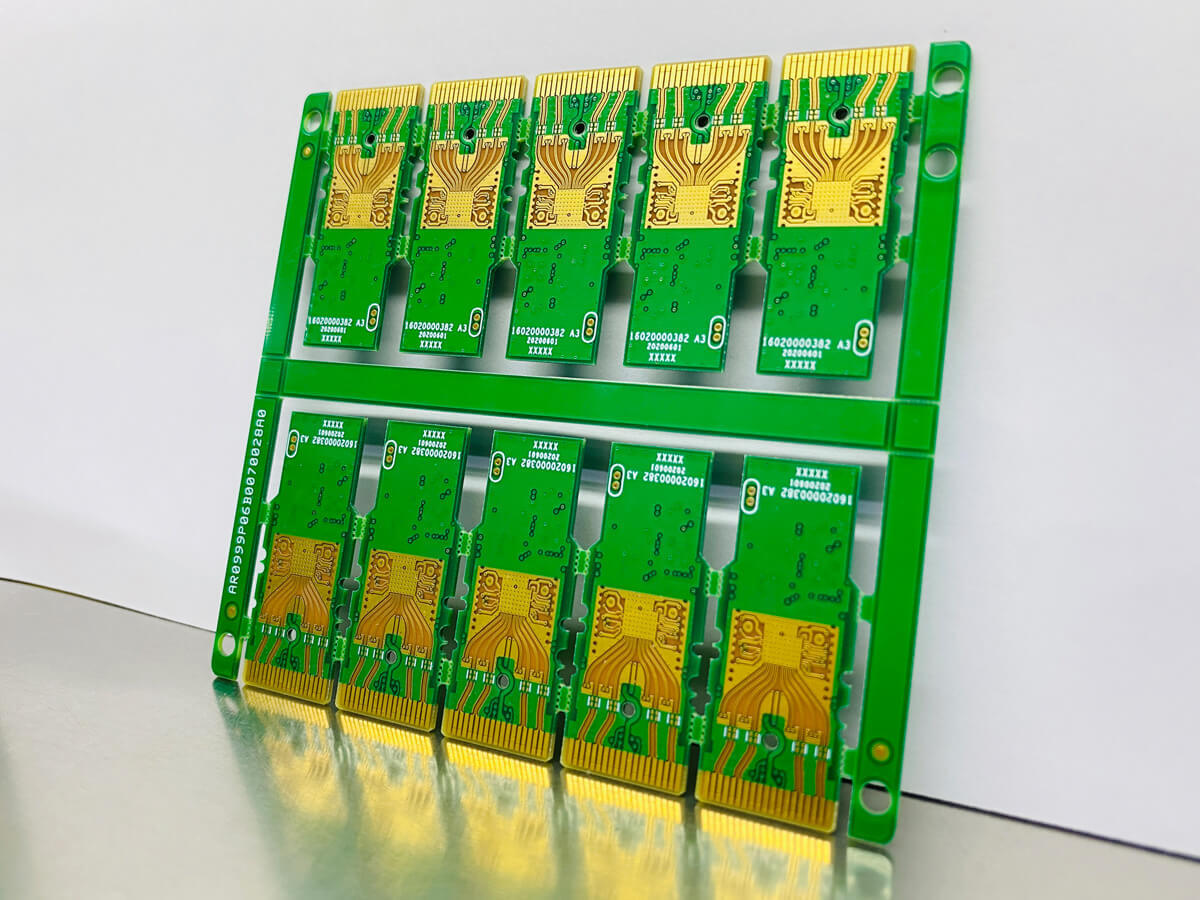
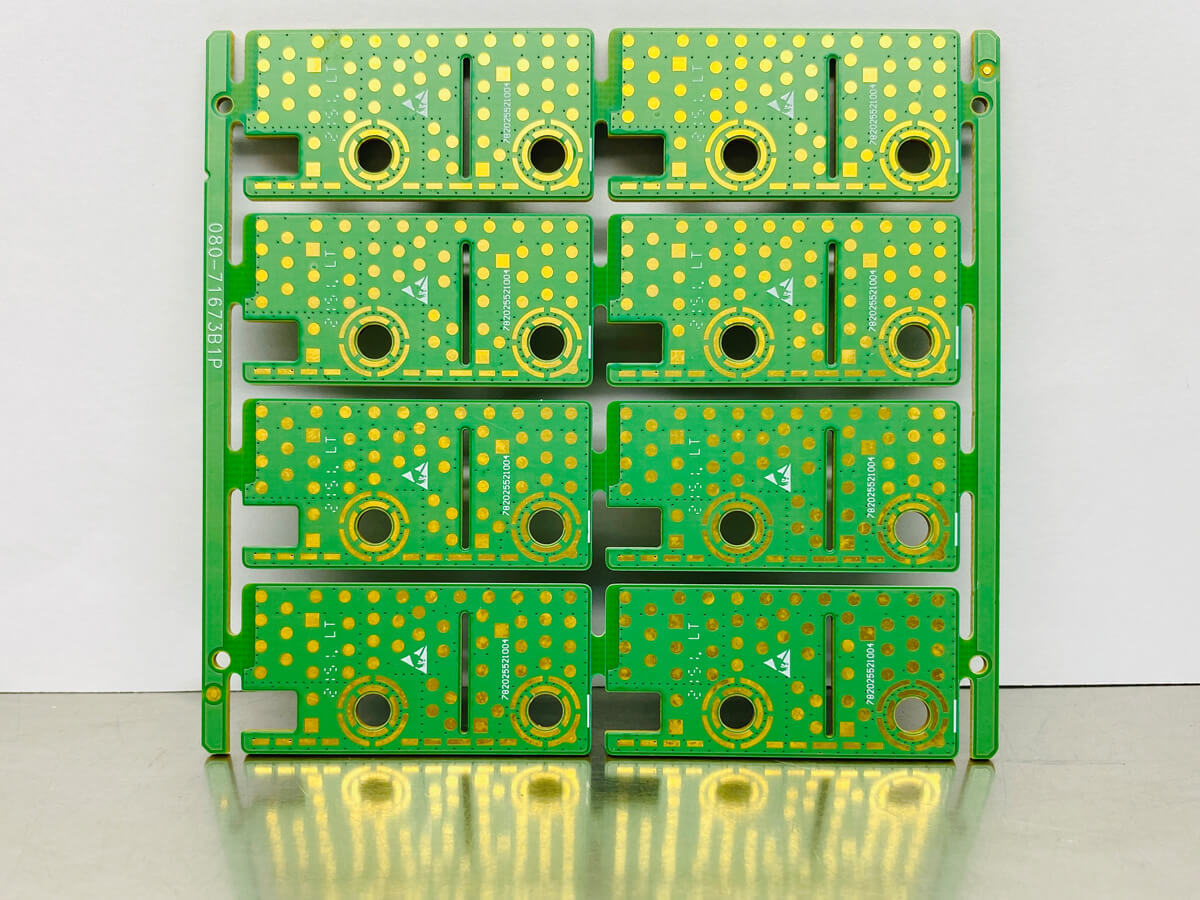
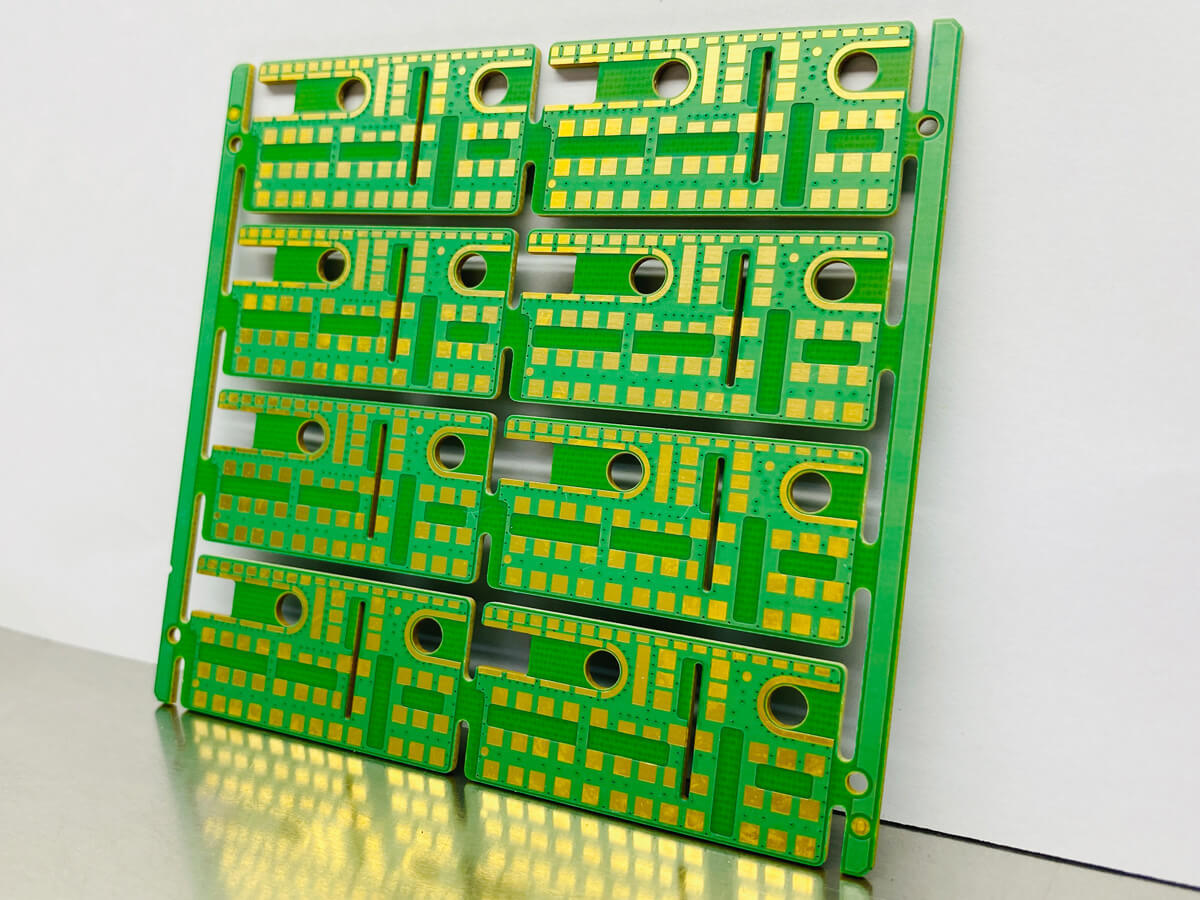
Company products are widely used in communication, consumer electronics, industrial control, automotive electronics, security electronics and other fields


ABOUT US
Hubei Longteng Electronics Technology Co., Ltd.
The company mainly engages in the research, development, production and sales of printed circuit boards (PCB). Products cover prototypes, small and medium batch boards, and large batch boards. Relying on comprehensive process technology, it provides one-stop customized products and services from prototype stage to mass production for customers with different needs and application fields.
SERVICE
Committed to becoming a benchmark enterprise in China's printed circuit industry
Continuous innovation is our core driving force for development

Quality Control
Ensuring product quality and certified by ISO14001:2015 environmental management system, pursuing sustainable development
Equipment Display
Providing one-stop customized products and services from prototype stage to mass production for customers in different application fields
Green Production
Longteng has been recognized as a "Green Environmental Protection Enterprise" for many years. The adopted wastewater, exhaust gas, and waste treatment technologies ensure that emissions meet standards before discharge. We have always been committed to green production, emphasizing production and environmental protection, fulfilling social responsibility, and building an ecological environmental protection center.
NEWS CENTER
Learn about the latest developments and industry information of Longteng Electronics

2022-06-01
Congratulations on the launch of Hubei Longteng Electronics Technology Co., Ltd. website!
Congratulations on the launch of Hubei Longteng Electronic Technology Co., Ltd. website! Congratulations on the launch of Hubei Longteng Electronic Technology Co., Ltd. website!

2022-04-21
Analysis of Multiple Causes and Solutions for False Open Circuit in PCB Flying Probe Testing
With the rapid development of the PCB industry, testing equipment is continuously updated technologically, and the market demands higher stability and efficiency from testing equipment. To maximize the stability of testing equipment, human involvement plays a crucial role in ensuring the equipment is stable, reliable, and efficient. During testing, false open circuit phenomena are inevitable, especially when there are many false opens (≥10). Operators and process personnel should pay attention and analyze and resolve issues from the perspectives of equipment, process data, and printed circuit board products. Based on my experience in equipment maintenance and related process feedback analysis, this article takes the Italian Seica series PCB flying probe testing as an example to summarize the causes and solutions for frequent false open circuits in PCB flying probe testing equipment, for reference and discussion among peers. 1. Determining if the issue is caused by equipment instability The simplest way to determine if the equipment is working properly is to test with previously qualified old file data and corresponding qualified PCB boards (after removing surface oxides, etc.). If open circuits still appear, it should be an equipment fault; otherwise, it is likely a process data or PCB issue. When equipment problems occur, use the following methods for inspection and analysis. 1) Software maintenance First, run the equipment's maintenance (also called self-test) software according to prompts to check for damaged components or errors. If damaged components or errors are found, replace the corresponding parts and calibrate according to error prompts. Second, use the DMC software to check if the feedback system of each axis is working properly. The correct operation steps are: minimize the test system → open DMC (Start\Program\DMC) or from the desktop (DMC TEST interface appears) → press the emergency stop switch → manually move each axis and observe the digital changes and sensitivity of each axis's grating feedback system, checking if the numbers change within the specified range; then activate TESTXY.DMC and TESTZ.DMC → RUN and observe if each axis can return to zero (each axis position reading is '0'). 2) Hardware faults Hardware faults are more likely among all faults because the quality of the testing system is closely related to the working environment (temperature, humidity, etc.), working hours, maintenance, and other factors. Based on my summary, hardware faults include the Z-axis linear motor, grating ruler, grating feedback data line connectors, and L-type probes. (1) Z-axis linear motor: Due to long-term, high-frequency operation, the motor's moving parts can become blackened with grime, causing stiffness and increased motor load. Therefore, the linear motor should be removed and cleaned with anhydrous alcohol approximately every 6 months. Care must be taken during removal and cleaning to avoid losing guide rail balls. (2) Grating ruler: The grating ruler is the core component for positioning in all high-precision equipment, directly affecting equipment accuracy and stability. However, most gratings suffer from poor environments or air sources, with workshop dust accumulating on the grating surface, which affects feedback signals and causes frequent open circuits. To remove dust, clean the grating with anhydrous ethanol using fine gauze gloves (dipped lightly in anhydrous alcohol) with gentle one-directional wiping; avoid back-and-forth or excessive force to prevent scratching. The air source must be dried, oil-filtered, and water-filtered before entering the equipment to avoid affecting equipment lifespan and measurement accuracy. (3) Grating data feedback line connectors: PCB flying probe testing equipment moves quickly, causing strong vibrations during operation. The grating data line connectors may become loose due to inertia after some use. To prevent this, check all plugs before powering on each day. (4) L-type probes: Probe condition is also a key factor causing open circuits, mainly due to probe tip dullness, poor contact between probe and connector, and regular calibration (at least once per week). Replace probes when dull, reset usage count after replacement, regularly check for looseness between probe and connector, and ensure automatic calibration at least once a week. 2. Process data conversion Errors in new file process data generation are also causes of open circuits. Many process personnel make mistakes during CAM data conversion, often due to inconsistent hole or pad attributes across layers or surfaces. When this occurs, process personnel must repeatedly review the data files. 3. Printed circuit board product issues If equipment and process data issues are excluded, the problem likely lies with the PCB product itself, mainly manifested as warpage, solder mask, or character irregularities. (1) Warpage: Some production schedulers skip the hot air leveling process to save time and send boards directly for final inspection. Without hot leveling, warpage may exceed the allowable range of the testing equipment. Therefore, hot leveling is essential, and inspectors should measure warpage before testing. (2) Solder mask: Products with severe open circuits often have partially blocked through-holes by the solder mask layer, leading to unsatisfactory test results. Testing should avoid via holes (or ensure via continuity) as much as possible. (3) Characters: Many PCB manufacturers print characters before electrical testing. Slight misalignment or low precision of character films can partially cover fine surface mount pads and small holes. To avoid open circuits caused by characters, PCBs with fine surface mount pads, small holes (Φ<0.5), and fine-line high-density patterns should be electrically tested before character printing. The causes of false open circuits in electrical testing are multifaceted but generally fall into the above three categories. To quickly identify the problem, specific and comprehensive analysis should be conducted according to the situation to improve efficiency. Source: PCB Talent Network

2022-04-21
Inquiry into the Management of PCB Innovation
The Dao is also nature. Dao means path. The great Dao is extremely simple; the way of management is nothing more than seeking a more convenient path to success. For PCB enterprises, in today's era of economic globalization and the vigorous construction of 5G, how to cope with increasing external challenges while exploring a growth path suitable for China's national conditions and meeting enterprise development needs has long been a difficult problem faced by many entrepreneurs. Perhaps, as industry senior engineer Yang Weisheng said: Innovation is the future, sharing is the opportunity. On November 22, the "2019 PCB Management and Technology Forum" themed "Innovation · Sharing · Towards the Future" was successfully held. The forum was hosted by GPCA Secretary-General Xin Guosheng and invited guests including Qiu Xingya, Chairman of Xingsen Technology; Jiang Xuefei, Chairman of Chongda Technology; Cheng Yong, Chairman of Aosikang; Liu Tianming, Chairman of Sihui Fushi; Xu Junsong, Chairman of Shenlian Circuit; Su Xinhong, Director of Founder PCB Research Institute; and industry expert Yang Weisheng to share and exchange ideas on enterprise management and discuss technological development directions. Each enterprise manager and industry expert expressed their views, bringing an innovative feast of intellectual collision to practitioners. The author attempts to summarize their words in one phrase. Liu Tianming, Chairman of Sihui Fushi, shared some insights on managing enterprises and recalled his early entrepreneurial journey, stating that the purpose of enterprise management is to bring happiness to employees and oneself. Since its establishment, Sihui Fushi has always attached great importance to corporate culture, respecting employees, actively listening to their opinions, implementing a "people-oriented" philosophy, and striving to create a good working and living environment for employees, aiming to satisfy their material and spiritual happiness. The company's core team is stable, employees undergo monthly business skills training and job and capability enhancement training, have a high degree of recognition of the enterprise, strong sense of belonging and cohesion, continuously creating value for customers and society, laying a solid foundation for the company's long-term development. Mr. Liu stated that Sihui Fushi is committed to building a nationally renowned high-tech enterprise that contributes to society and the country. It aims to create value for customers by providing better quality, faster delivery, lower cost products, and more proactive services. Meeting customer requirements and providing solutions; achieving enterprise benefits and ensuring sustainable development; returning benefits to employees by improving their quality and autonomous work motivation to achieve high-quality and efficient work. Today, capital operation speeds up increasingly. When an enterprise reaches a certain scale, going public becomes a choice for many to further expand their business. In 2019, enthusiasm for IPOs in the PCB industry remained strong. Fangbang Co., Jiayuan Technology were among the first to list on the STAR Market; Nanya New Materials, Sihui Fushi, Honghe Electronics, Jingchengda, Xiehe Electronics, Aohong Electronics, and others successively released prospectuses, planning A-share IPOs. Behind the hot IPO wave is the capital market's confidence and expectation for the continuous improvement of the PCB industry. Xu Junsong, Chairman of Shenlian Circuit, believes that going public is a business choice and should be planned according to the enterprise's own development. Mr. Xu said Shenlian Circuit has always focused on management in technology and environmental protection and will continue to align with and learn from industry benchmark enterprises in the future. Qiu Xingya of Xingsen Technology: How to manage an enterprise well is a profound subject for entrepreneurs. With the transition from a planned economy to a socialist market economy, enterprises have become economic entities operating independently, bearing profits and losses, and accounting independently. This requires enterprises to establish an operating mechanism that meets market needs, enabling timely access to relevant information, adjusting product structures appropriately, continuously meeting market demands, and enhancing competitiveness. Qiu Xingya, Chairman of Xingsen Technology, believes that managing a business well is more important than managing the enterprise itself. When the enterprise is small, management can sensitively take various measures to respond to market challenges and opportunities based on business needs. Mr. Qiu also shared setbacks encountered during Xingsen Technology's development, stating that doing too many things at once is not feasible; focusing on doing one thing well is already difficult. He also reminded that managing one's life is as important as managing the enterprise; if one cannot manage their own life well, how can they manage the enterprise? Therefore, managing life and enterprise should be treated as a new subject. Customers are the reason and value for an enterprise's existence; enterprises exist because of customers. With accelerating globalization and improving productivity, how should enterprises create value for customers and demonstrate their advantages in fierce market competition? Jiang Xuefei, Chairman of Chongda Technology, believes that the advantage of creating value for customers in market competition is providing customers with good and affordable products, which customers recognize most. As enterprises grow larger, their reason for survival is to create value for customers. In fact, enterprises are contradictions themselves: employees want high wages, shareholders want high returns, but enterprises need development and customers want benefits. The only solution is high efficiency. Mr. Jiang cited Huawei as an example, pointing out that employee satisfaction is endless; too many dissatisfied employees consume enterprise resources. Enterprises should pursue creating value for customers and be based on strivers. For efficient development of the PCB industry, the choice of equipment and material suppliers is crucial. Electronic products are increasingly moving towards high density, high frequency, and high speed, posing higher requirements for PCBs. Meanwhile, equipment and materials, as upstream links in the industry chain, play a vital supporting role in the industry's development. In a sense, the choice of equipment and materials determines PCB product quality. Aosikang, founded on "quality, innovation, and efficiency," deeply cultivates the PCB upstream and downstream. Cheng Yong, Chairman of Aosikang, introduced how Aosikang selects equipment and material partners based on enterprise practice. Aosikang's "large panel" VCP plating line requires an additional 20 meters in length, pioneering in the industry, demanding high technical and innovative capabilities from equipment suppliers. Mr. Cheng stated three principles for choosing material and equipment suppliers: first, those with continuous innovation capability; second, precise positioning and high cost performance; third, supporting domestic substitution. Currently, 5G construction is in full swing, and the PCB industry is moving towards high precision, high density, and high reliability, continuously reducing size, lowering costs, improving performance, lightening and thinning, increasing productivity, and reducing pollution to adapt to the development of downstream electronic industries. As an important support force in the PCB industry, equipment and material suppliers must also keep pace with the times and innovate continuously to better meet the development needs of circuit boards. Su Xinhong, Director of Founder PCB Research Institute, analyzed new demands and challenges for equipment and material suppliers brought by circuit board development through multiple practical cases. He stated that PCB development over the years has also been driven by customer pressure. The trend towards high density and the requirements of high-speed communication bring huge challenges and many opportunities to equipment and materials. With the issuance of 5G commercial licenses, the commercial era has begun. As an important link in the 5G industry chain, PCB has ushered in a new development opportunity. While bringing greater growth to the PCB industry, 5G also imposes higher requirements on PCBs. A very clear direction for 5G PCBs is high-frequency, high-speed materials and board manufacturing. The functional improvements of 5G-related application products will increase demand for high-density PCBs, and HDI will become an important technical field. Multi-level HDI products and even arbitrary-level interconnect products will become popular, and new processes such as buried vias and embedded capacitors will see increasing application. Regarding current 5G product requirements for circuit boards, senior engineer Yang Weisheng stated that innovation is the future, sharing is the opportunity. He pointed out that 5G high speed is based on high frequency; high frequency can be used in various environments, but high speed cannot, which makes materials very important. Millimeter wave is a brand-new challenge. Equipment and material suppliers are PCB's "friends." Material choices are diverse; the future market will be segmented, including various antennas. The core of 5G is high multilayer; whoever masters antennas will dominate. Seven stars shine brightly, Dinghu discusses the Dao; high-end dialogues, collision of ideas, discussing management ways; disruption and reshaping, a long and arduous road ahead. The forum time was limited, and each guest had many insights on enterprise management and industry development that could not all be presented. However, the concepts conveyed to attendees and practitioners during the short forum were already clear. Success comes in various ways, and the personality of the main leader greatly influences the enterprise. At the forum, we saw the collision of seven completely different personalities. More fortunately, in all guests, we saw a rare spirit—sharing. Therefore, we firmly believe these diverse personalities will continuously inject fresh nutrients into enterprises and the industry, helping them move forward continuously!

Customer Service Hotline
E-MAIL:yinyaoming@ltepcb.com
Address: Longteng Industrial Park, Xiaochang Economic Development Zone, Xiaogan City, Hubei Province
QR Code
This website supports dual access via IPV4 / IPV6
Copyright © 2025 HOME FLAVOR ALL RIGHTS RESERVED.